
Energy & Efficiency
Driving Smarter Energy Systems for a More Sustainable World
Our Energy & Efficiency Hub helps organisations reduce waste, optimise performance, and strengthen energy resilience through innovative yet practical solutions.
Achieving deep decarbonization in the industrial sector relies on two immediate and complementary approaches: maximizing energy efficiency and transitioning to clean energy. Energy efficiency is widely considered the first and most cost-effective step to reduce both operational costs and greenhouse gas emissions.
The sequential steps for implementing advanced energy efficiency and decarbonization strategies in industry include:
1. Optimize Industrial Processes and Operations
Implement Smart Energy Management Systems (EnMS): Deployment of formal management practices like ISO 50001 significantly improves energy performance. Advanced software continuously monitors facilities to find operational anomalies.
Material and Resource Efficiency: Reducing waste, improving yield rates, and using recycled materials lowers the total energy needed across the entire product lifecycle.
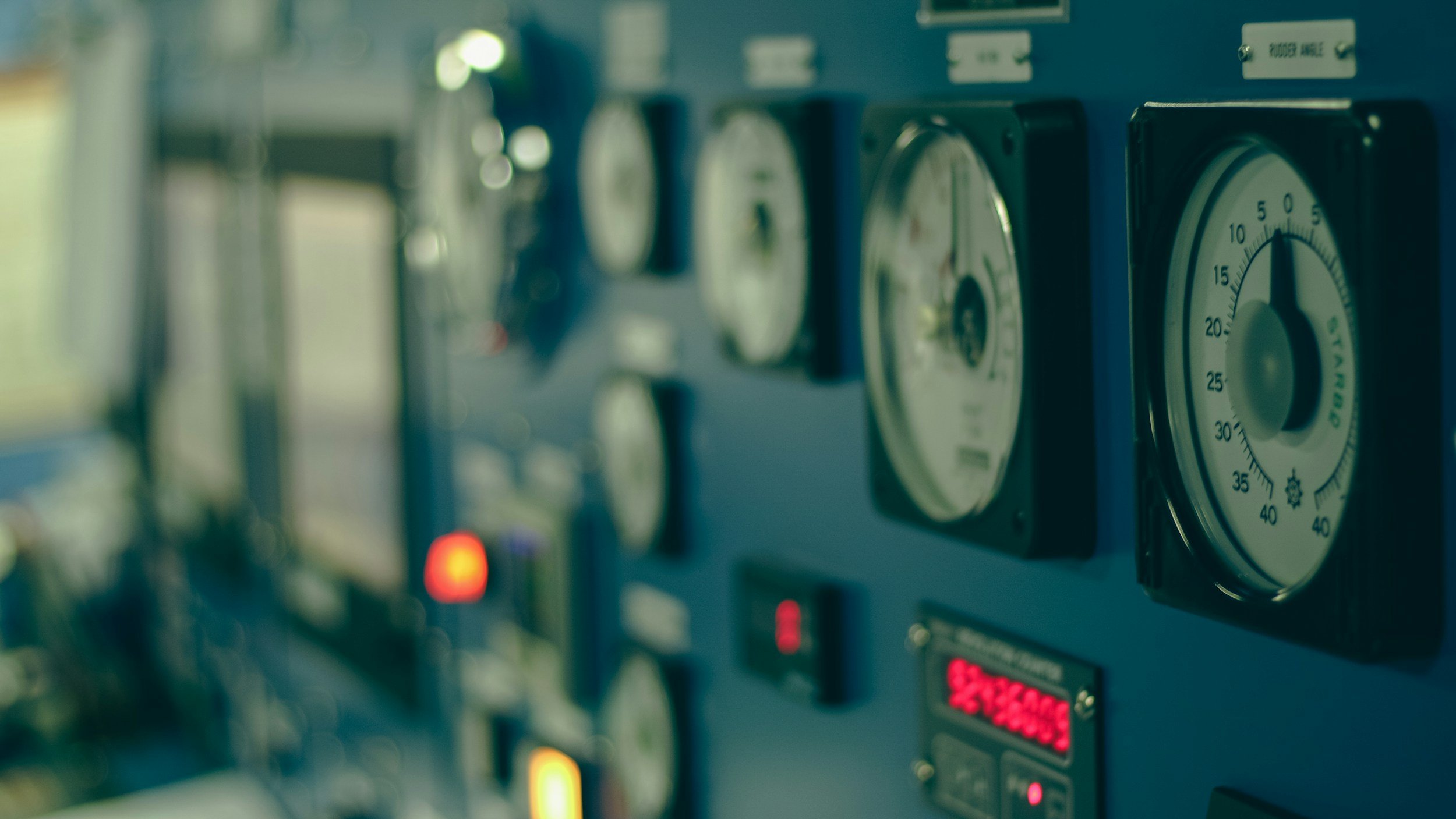
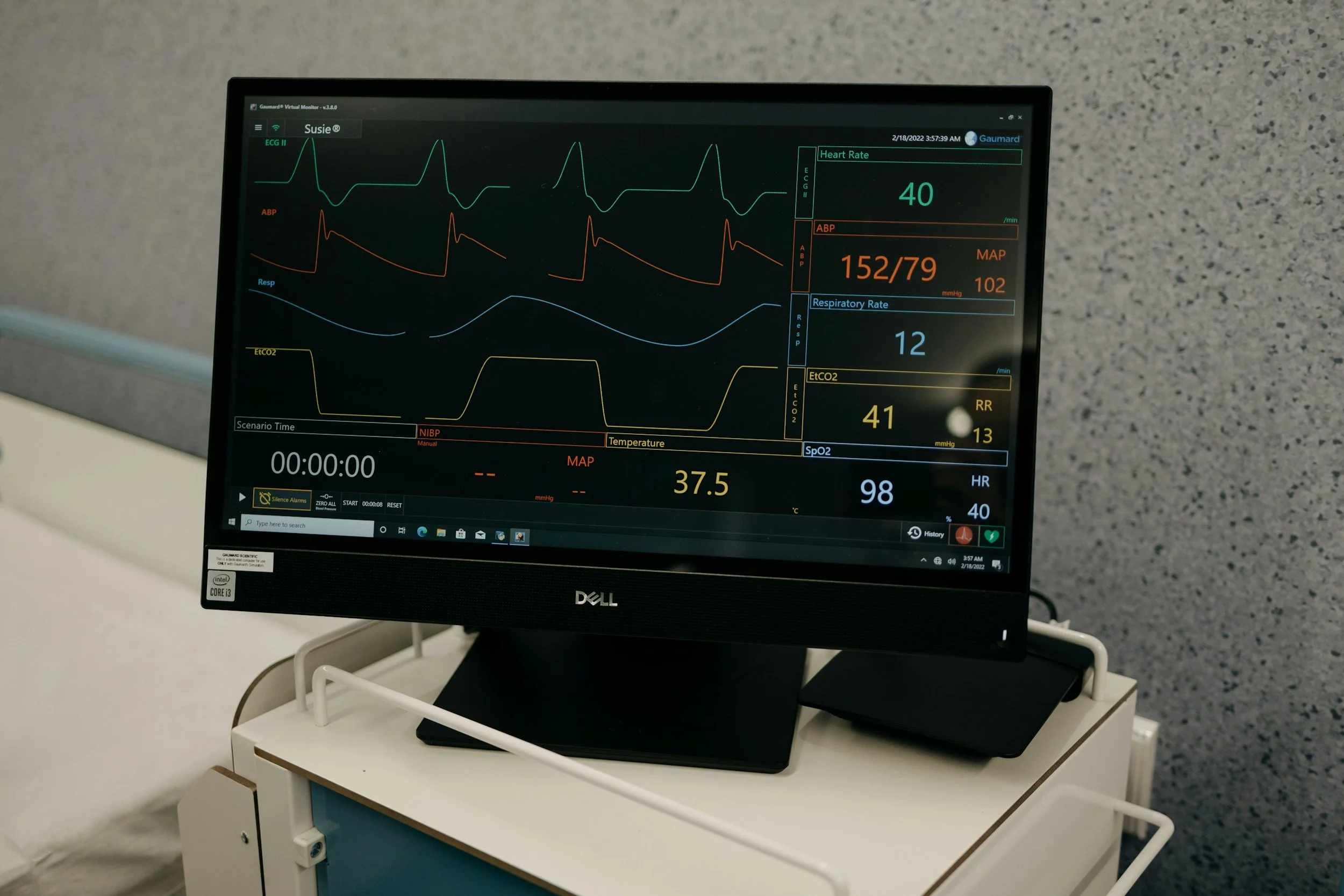
Advanced Monitoring & Control: Use AI-driven analytics, digital twins, and automation to precisely calibrate machinery, compressors, and pumps in real-time.
2. Maximize Heat Recovery and Integration
Waste Heat to Power (WHP): Capture exhaust heat from high-temperature manufacturing (e.g., cement kilns, glass furnaces, or steel mills) and use it to generate electricity via highly efficient steam or organic Rankine cycle turbines.
Process Integration: Implement systematic thermodynamic analysis to match heat sources and sinks within the facility so thermal energy is cascaded efficiently rather than lost to the environment.
3. Transition to Industrial Electrification
Electrifying End-Use Sectors: Replace fossil-fuel-fired boilers and furnaces with heat pumps (for low-to-medium heat) and Electric Arc Furnaces (EAFs) or induction furnaces (for heavy-duty melting).
Efficiency in Electrification: Upgrading to modern electric technologies immediately slashes direct emissions at the point of end-use.
4. Implement Low-Carbon Fuels and CCUS
Fuel Switching: Where complete electrification is challenging, switch from high-carbon fossil fuels (coal, heavy fuel oil) to lower-carbon alternatives like sustainably sourced bioenergy, green hydrogen, or ammonia.
Carbon Capture, Utilization, and Storage (CCUS): For "hard-to-abate" sectors, advanced CCS technologies capture emissions directly at the source, preventing them from entering the atmosphere.
Core:
Energy diagnostics
Efficiency programmes
Smart systems
Operational optimisation
Infrastructure upgrades
Regional technical delivery